














An open letter to the COP31 Presidency
Make Zero Waste count for the climate
Dear President Kurum and Minister Bowen,
We welcome the Presidency's decision to place ‘Zero Waste’ first among the ten priority themes of the COP31 Action Agenda, with ‘Oceans and Seas’ alongside it. We write as businesses and organisations to ask that COP31 treat these themes as one agenda, building on the Presidency's recognition in Bonn in June that waste is “one of the areas where the fastest results in climate action can be achieved”1. So far that recognition has centred on methane. We ask that it extend to materials too: the plastic polluting the ocean, and the virgin plastic that recycling can replace.
The case is getting stronger. At the Pacific Pre-COP in Nadi in early October, Pacific nations asked for the ocean-climate nexus to sit at the heart of the COP31 negotiations, and Türkiye has said it will work toward an Antalya Ocean Declaration at COP31. At the same time, the science is catching up. A 2025 meta-analysis of more than 3,000 data points found that microplastic exposure reduces photosynthesis in marine algae2, and laboratory studies show microplastics slow the sinking of the particles that carry carbon to the deep sea3. Plastic pollution is not only a threat to marine life. It is a growing risk to one of the planet's largest carbon sinks.
The first answer is to make and use less. But billions of tonnes of plastic already exist, and much of it is mismanaged in the coastal communities least equipped to deal with it. When that material is intercepted before it reaches the ocean and recycled into products that replace virgin plastic, it does two jobs at once. It keeps plastic out of the sea, and it avoids the emissions of making new material.
That second benefit is largely invisible in climate policy today, and recycling only counts if reduction comes first. We ask the Presidency to:
- Recognise avoided virgin-material emissions, through recycled content and material substitution, as a mitigation lever within the Zero Waste track of the Action Agenda. These avoided emissions should be reported separately from a company's own footprint, never netted against it or traded as credits, consistent with the GHG Protocol and Science Based Targets initiative.
- Encourage Parties to include waste reduction and recycled content targets in their Nationally Determined Contributions.
- Connect the Zero Waste and Oceans and Seas themes, so plastic pollution is addressed as part of the ocean-climate nexus the Pacific has called for, including in the Antalya Ocean Declaration.
- Put the waste hierarchy at the centre of the Zero Waste agenda: reduce and reuse first, then recycle what remains into materials that replace virgin inputs, backed by credible standards, including independently certified recycled content, verified collection and ISO life cycle assessment.
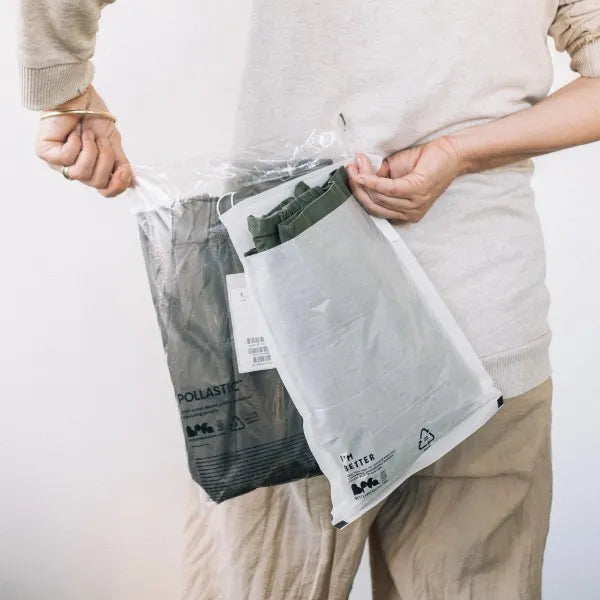
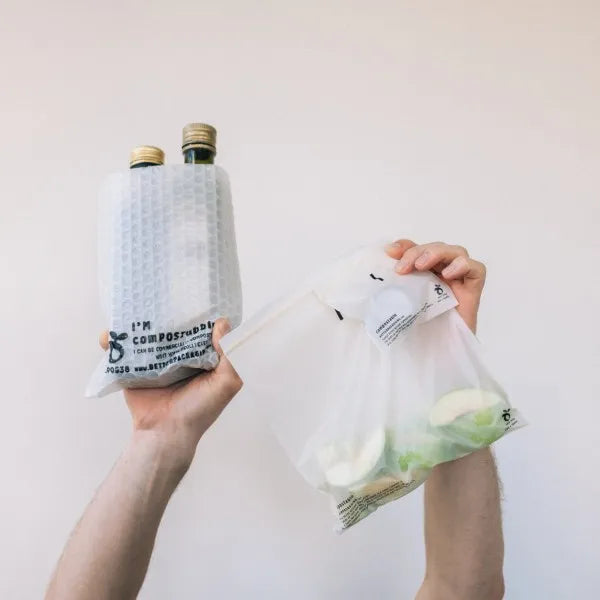
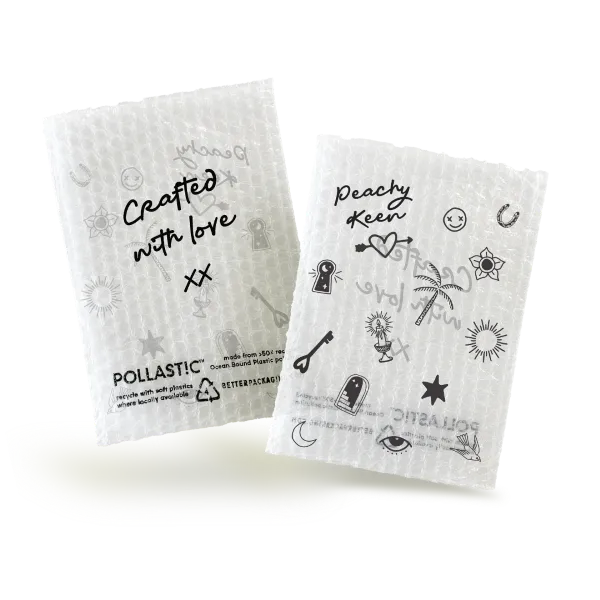
This already works at scale. To date Ocean Legacy has processed almost 700 tonnes of waste collected from ocean shorelines and marine industrial cleanups into durable commercial products. Similarly, The POLLAST!C Project has rescued and recycled more than 2,800 tonnes of certified Ocean Bound Plastic into packaging since 2021, with a 29% lower carbon footprint than the equivalent packaging made from virgin plastic (ISO 14040/44/67 LCA, 2024). Every order from signatory brands like Boody and Assembly Label ships in a POLLAST!C bag, keeping tonnes of plastic out of the ocean and replacing virgin plastic.
COP31 has been called a COP of implementation. Zero waste is where implementation is most within reach: the materials, the technology and the businesses already exist. What is missing is the recognition that it counts.
Sincerely,
Kate Bezar & Rebecca PercaskyCo-foundersBetter Packaging Co.
Chloé DuboisExecutive DirectorOcean Legacy
Vincent DecapCo-founderZero Plastic Oceans
Nick ChiarelliCEO & Co-founderOcean Impact Organisation
Shaun GreenbloCo-CEOBoody
Lee ThompsonCEOAssembly Label
Ross BrooksGeneral PartnerKatapult Ocean
Vicki SaundersFounderCoralus
Notes
- COP31 Presidency, “Presenting the COP31 Action Agenda”, Bonn Climate Change Conference, 9 June 2026. cop31.tr
- Zhu et al., “A global estimate of multiecosystem photosynthesis losses under microplastic pollution”, Proceedings of the National Academy of Sciences, 2025. doi.org/10.1073/pnas.2423957122
- Northeastern University and University of New Hampshire, study of microplastics slowing the sinking of marine snow, Marine Chemistry. Northeastern University summary